
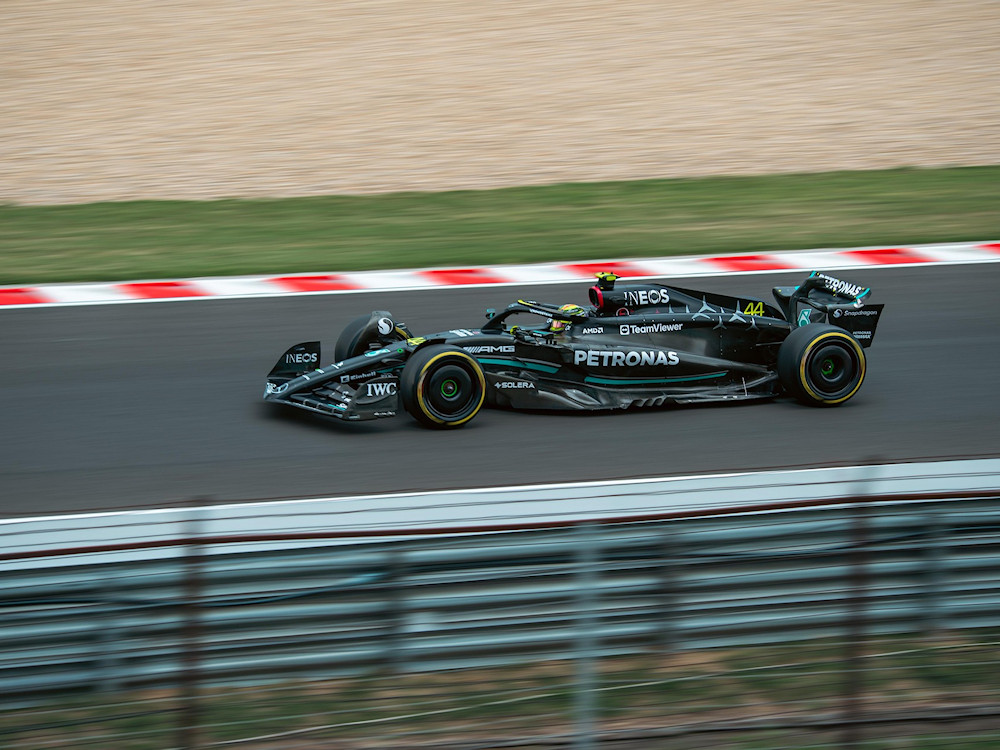
The team cost cap is set at $215 million for 2026. The headline figure is $80 million higher than the previous base limit, but several expenses that once sat outside the calculation are now included. Teams therefore have more money on paper without necessarily gaining the freedom to spend it all on aerodynamic development.
Managing an F1 organisation now requires more than producing a fast car. Each team must decide how much development to complete, which parts to manufacture, when to introduce upgrades and how much money to reserve for accidents or unexpected technical problems.
What does the Formula 1 cost cap cover?
The cap mainly applies to spending that affects the performance of the car. Research, design work, wind tunnel programmes, simulator development and the manufacture of new components all consume part of the available budget.
Several major costs remain excluded. Driver salaries do not count towards the team limit, and neither do the salaries of the three highest-paid members of staff. Marketing, legal services, finance departments, heritage programmes and race travel also sit outside the main calculation.
The exclusions do not make those areas unimportant. A team can employ an expensive driver without reducing its aerodynamic budget, but it must still generate enough income to pay that salary. The same applies to senior executives and commercial operations.
The 2026 rules also changed how infrastructure is treated. The separate capital expenditure allowance was removed, with annual depreciation costs brought into the main cap. A new simulator, manufacturing machine or factory facility may therefore affect team spending across several reporting periods.
Why is financial planning part of car development?
Technical departments usually prepare several development routes before the season begins. One may target additional downforce, another could reduce aerodynamic drag, while a third addresses cooling or tyre management.
Each route has a financial cost and an opportunity cost. Wind tunnel time spent testing one floor design cannot be used on another concept. Producing a component also consumes materials, machine capacity and staff hours, even if the part never reaches a Grand Prix.
A team that introduces upgrades too early may discover that the design does not work consistently across different circuits. Waiting provides more time for validation but allows rivals to gain points in the meantime.
Finance staff must track these decisions as they happen. Engineers need reliable information about how much budget remains, while accountants need enough technical knowledge to classify expenditure correctly.
Teams can carry as much as $2 million of unused cap into the following year. That rule gives managers another option late in the season. Money can support a final upgrade, remain available for possible accident damage or be preserved for the next campaign.
How do crashes affect the development budget?
Accident damage is one of the hardest expenses to predict. A front wing, floor, suspension assembly and gearbox can all be damaged in a single incident. A major collision may also destroy newly manufactured components that exist in limited numbers.
Teams cannot simply stop racing when the repair bill grows. They must maintain enough spare parts to operate two cars throughout a long calendar, including consecutive events where damaged equipment has little time to return to the factory.
This creates a reserve-planning problem. Holding too much money back may slow development and reduce competitiveness. Spending almost everything early leaves the team exposed if both drivers suffer expensive accidents later.
The sporting consequences can extend beyond the immediate repair. A team might postpone an upgrade because its manufacturing department must replace damaged parts first. One driver may receive a new specification before the other because only one complete set is available.
Those situations need careful communication. Drivers naturally want the quickest equipment, but producing duplicate components without enough testing can waste resources.
What does a team principal actually manage?
The team principal is responsible for the overall performance and direction of the organisation. The role includes technical priorities, staffing, driver relationships, regulatory discussions and communication with the team’s owners.
Daily decisions are distributed among specialist departments. A technical director coordinates car design, while the sporting director manages regulatory and operational matters at the circuit. Strategy teams prepare race scenarios, and the chief financial officer monitors spending against the cap.
A strong management structure gives those departments clear authority. During a race, the team principal should not need to approve every pit stop. Strategy engineers work with live timing, tyre information, weather data and simulations, then communicate the decision through the race engineer.
The principal becomes more directly involved when a decision affects both cars or creates a wider team issue. Team orders, conflicting pit-stop windows and contact between teammates can require immediate intervention.
Why do sponsorship decisions matter?
Prize money and payments connected with the Constructors’ Championship form part of a team’s income, but commercial partnerships remain essential. Sponsors help pay for driver salaries, marketing, hospitality and other operations that may sit partly or fully outside the cost cap.
A partnership is assessed according to audience, territory, brand suitability and the rights included in the agreement. A digital entertainment company may be comparing exposure through esports, streaming services or a live casino product, so an F1 team must demonstrate that its car, content and hospitality programme reach the intended customers.
The cost cap limits eligible expenditure rather than total revenue. A wealthy team cannot spend unlimited sponsorship income on performance, but stronger commercial results still improve financial stability and support excluded activities.
Commercial managers also protect the team against dependence on one major partner. If a sponsor leaves, several smaller agreements may be easier to replace than one contract covering a large share of annual income.
How are drivers managed during a season?
Driver management involves performance, contracts and the working relationship between two competitors sharing one team.
Both drivers contribute technical feedback, yet they may prefer different handling characteristics. One may want a responsive front end, while the other performs better with a stable rear. Engineers must decide if one setup direction can support both or if separate adjustments are practical.
Contract timing also affects management. Announcing a replacement too early can damage morale, while delaying a decision may allow the preferred candidate to sign elsewhere. Junior drivers add another consideration because teams need to create opportunities without weakening their immediate results.
The relationship becomes particularly difficult when teammates are fighting for a championship. Allowing them to race can produce valuable points and public interest, but a collision may damage both cars and consume budget.
Clear racing rules are usually agreed before such situations occur. Drivers need to know when they can attack, how much space they must leave and when the Constructors’ Championship takes priority over an individual result.
Race strategy depends on preparation before Sunday
A pit-wall decision may appear spontaneous, but much of the work is completed before the race begins.
Strategy departments simulate safety cars, tyre degradation, weather changes and likely pit-stop windows. They also study the behaviour of nearby competitors. A team expecting a rival to stop early can prepare an undercut response, while a car with strong tyre life may remain on track longer.
The 2026 cars have added another layer through electrical energy management. Teams must decide how energy is harvested, deployed and preserved at different points around the circuit. Adjustments introduced during the season have also changed the permitted deployment levels in certain areas of the lap.
Engineers communicate these settings to the driver while monitoring temperatures, battery state and the tactical situation. A choice that improves overtaking power may reduce the energy available later.
Good management is measured across a full season
Race wins attract attention, but the Constructors’ Championship reveals how well an organisation operates across both cars and the entire calendar.
A successful team must develop at the right pace, control costs, manufacture reliable parts and make sound decisions under pressure. It also needs enough financial flexibility to respond when an upgrade fails or an accident changes the plan.
The 2026 regulations have made those connections more visible. Engineering remains central to Formula 1, but the fastest design can still be undermined by weak budgeting, poor communication or badly timed development.
Modern F1 management is therefore a continuous allocation exercise. Every wind tunnel run, spare component and upgrade package uses resources that cannot be spent twice. The best-run teams are the ones that convert those limited resources into points with the fewest costly mistakes.