
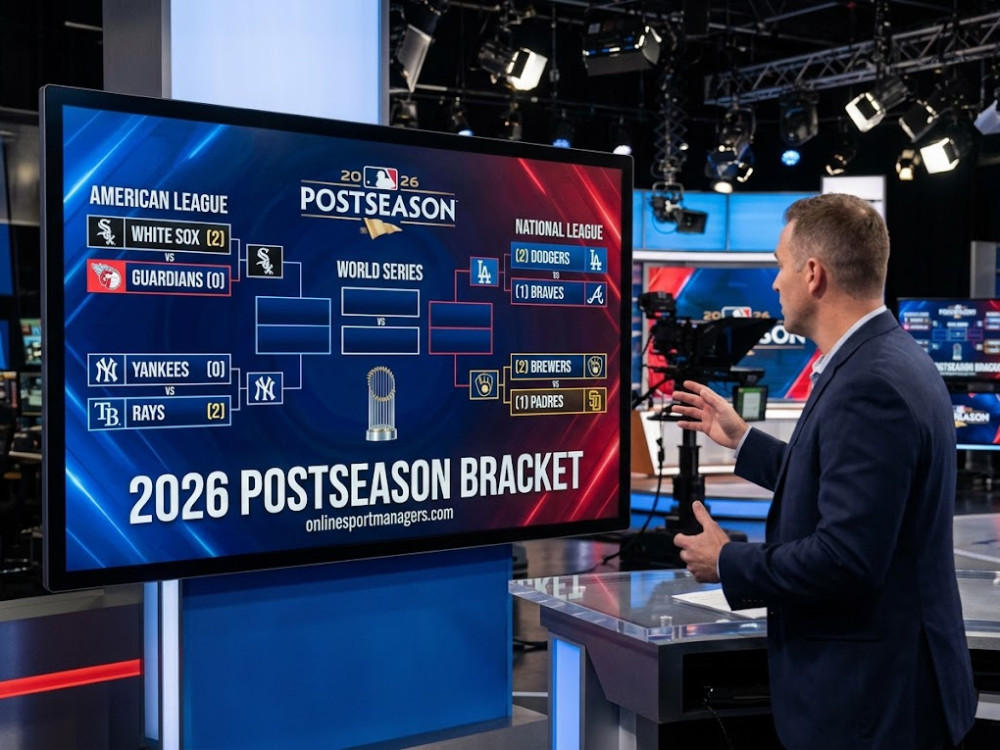
The Pursuit of History: Breaking the NL Three-Peat Barrier
No National League franchise has ever won three consecutive World Series titles. American League powerhouses like the New York Yankees and Oakland Athletics built multi-year dynasties, but NL clubs continuously hit a hard ceiling at back-to-back championships. The Chicago Cubs (1907-08), New York Giants (1921-22), and Cincinnati Reds (1975-76) all failed to claim a third straight crown.
The Dodgers matched those historic back-to-back NL marks with back-to-back World Series rings. Taking a 2-1 NLDS lead behind Yoshinobu Yamamoto’s ten-strikeout gem in Atlanta, Los Angeles has positioned itself to break the NL’s ultimate barrier.
Key Pillars: Roster Construction and Star Depth
Sustaining success across multiple October postseasons requires exceptional depth. Los Angeles constructed a roster model built to survive single-elimination volatility through elite top-end stars and dependable role players:
- Starting Rotation Anchor: Yoshinobu Yamamoto outdueled Chris Sale in Game 3 with seven innings of one-run ball, demonstrating the immense value of high stamina and elite pitch ratings in high-leverage starts.
- Positional Power Core: MVP-caliber bats Shohei Ohtani, Mookie Betts, and Freddie Freeman supply consistent offensive output across long series.
- Clutch Situational Hitting: Home runs from postseason veterans like Enrique Hernández and Freddie Freeman prove that depth bats turn tight postseason games into victories.
Path to the Pennant and the Fall Classic
Securing a three-peat requires navigating three distinct postseason hurdles:
1. Finishing the Braves in Game 4
The Dodgers need one more win in Game 4 at Truist Park to close out the NLDS. Closing out a series on the road requires leveraging high-velocity bullpen options like Tanner Scott and Edwin Díaz to squelch late-game Atlanta rallies.
2. Conquering the NLCS (Brewers or Padres)
The Milwaukee Brewers lead the San Diego Padres 2-1 in their parallel NLDS matchup. If the 103-win Brewers advance as favorites, Los Angeles must neutralize Milwaukee's elite pitching staff and run-prevention defense. Beating Milwaukee or San Diego requires maximizing run production early against elite bullpen bridging.
3. Neutralizing the American League Champion
In the American League, the Chicago White Sox and Tampa Bay Rays hold commanding 2-0 leads in their respective ALDS matchups against Cleveland and the Yankees. To beat high-efficiency AL opponents in the World Series, managers must out-pitch deep lineups through precise starter-reliever matchup rotations.
Replicating Dynasty Mechanics in Online Baseball Managers
In digital simulations like Out of the Park Baseball or Baseball Mogul, reproducing a three-peat requires mastering core game engine mechanics:
Managing Postseason Fatigue and Rotation Depth
Postseason engines apply strict fatigue multipliers. Virtual managers running a Dodgers-style roster must balance starter pitch counts with bullpen usage to prevent late-series pitching collapse.
Luxury Tax and Contract Strategy
Sustaining a super-team across three virtual seasons creates severe payroll friction. Managing long-term contract structures and luxury tax penalties in text sims is crucial to retain core talent without crippling future draft capital.
Mitigating Postseason Short-Series Variance
Baseball simulation engines feature high statistical variance in 5-game and 7-game series. To minimize upset risks, managers must pair high-discipline hitters with elite strikeout-to-walk pitchers.