
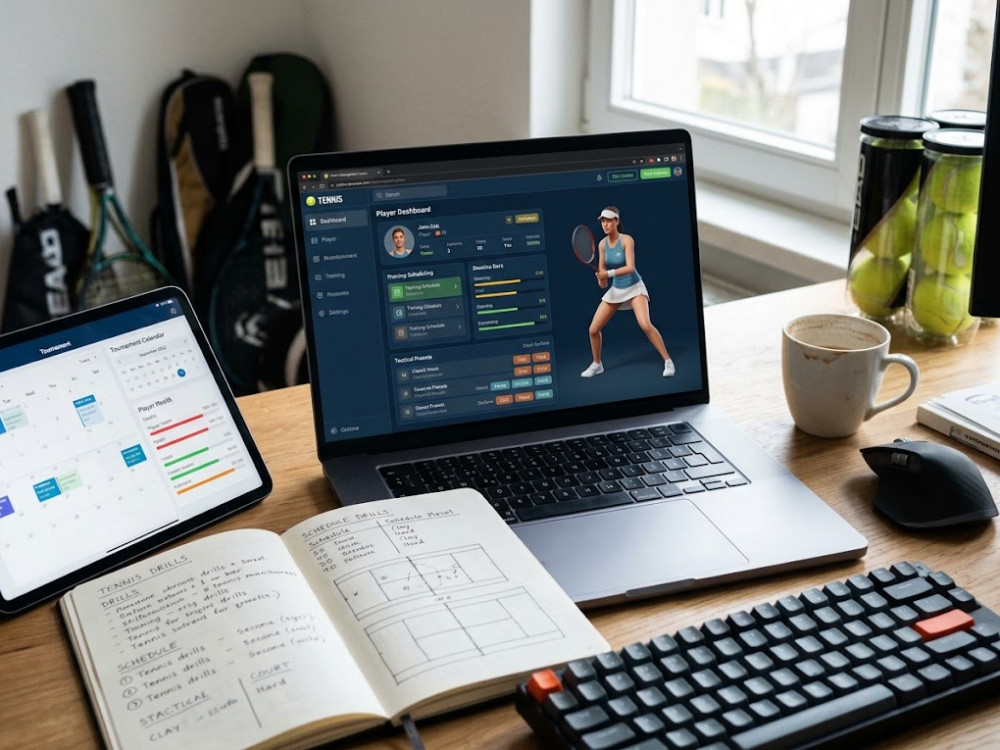
The WTA 1000 Marathon: Daily Turns and Fatigue Management
The structure of WTA 1000 tournaments presents a unique operational challenge in web-based management titles. Back-to-back tier-one events, such as the Sunshine Double (Indian Wells into Miami) or the European clay swing (Madrid into Rome), create high match density over consecutive weeks. In offline management games, players can adjust tactics between sets or pause matches at will. Browser-based tennis managers operate on fixed server execution cycles where tournament rounds process automatically at set daily intervals.
Managing a player through a seven-round 1000-level draw means accounting for cumulative physical drain before the daily execution script runs. If an athlete enters a quarterfinals match with depleted stamina due to high-intensity tactics in earlier rounds, their performance drops sharply regardless of raw skill attributes. Long-term success relies on setting match intensity baselines that preserve energy during early rounds. Winning efficient two-set matches keeps core stamina high for late-stage clashes against top-ranked opponents.
Optimizing Attribute Distribution and Point Decay
A successful WTA 1000 run requires a carefully balanced attribute allocation strategy. Browser games like Online Tennis Manager and Rocking Rackets use training point mechanics where player attributes can plateau or experience natural decay if neglected ahead of automated processing ticks.
To build a player capable of surviving deep 1000-level draws, managers must divide daily training points effectively across core categories:
- Core Endurance & Speed: Acts as the primary defensive barrier against fatigue penalties during long three-set matches.
- Surface-Specific Footwork: Improves baseline movement efficiency, lowering energy expenditure on demanding clay and hard courts.
- Technical Shot Placement: Boosts rally stability and reduces unforced errors when stamina drops in deep tournament runs.
- Mental Fortitude & Pressure Handling: Maintains serve consistency and return accuracy during critical tiebreakers and break points.
Allocating all daily training points strictly to offensive attributes creates a glass-cannon player. That profile may dominate early rounds, but they often collapse physically during the mandatory back-to-back 1000-level events late in the season. Maintaining steady allocations to physical endurance guarantees that technical attributes remain fully effective late in a match.
Multi-Surface Tactical Profiles and Rapid Adaptability
Sustaining a top-tier ranking across the WTA circuit requires mastering surface shifts. The transition from high-bouncing European clay to fast North American hard courts tests a player's tactical flexibility. Browser tennis management titles model these transitions using surface affinity algorithms that modify player movement speed, ball bounce responses, and energy consumption rates.
Managers must build distinct tactical profiles for each surface type rather than relying on a single default setup:
- Clay Court Profile: Lower match pacing, higher rally patience, and increased topspin depth. This setup forces errors from opponents while keeping energy usage manageable on long points.
- Hard Court Profile: Balanced aggressive baseline play, direct serve placement, and neutral return positioning to handle high ball speeds.
- Grass Court Profile: Maximum serve aggressiveness, shorter rally length settings, and quick net approaches to minimize physical wear over prolonged exchanges.
Before each daily tournament execution, managers should review upcoming opponent playstyles and court fastness ratings. Switching to an optimized surface profile prevents tactical mismatches against mid-tier surface specialists who might otherwise cause an early tournament exit.
Facilities and Coaching Staff: The Asynchronous Engine
The foundation of a sustainable WTA 1000 contender lies in long-term club infrastructure. In browser management games, facility upgrades and staff hiring operate on real-time countdown timers ranging from hours to several days. Building a club environment that supports elite players requires proactive financial management and structured facility progression.
Investing early in high-tier Medical and Recovery Centers provides passive stamina restoration between daily tournament ticks. This passive recovery bonus mitigates the physical toll of deep 1000-level runs without requiring managers to waste valuable daily training slots on pure rest days.
Pairing facility upgrades with specialized surface coaches enhances attribute gains during focused training blocks. A specialized clay-court coach, for example, accelerates footwork growth ahead of the European spring swing. Managing club currency, facility upgrade timers, and coaching contracts effectively creates an operational engine that keeps players competing at the top level season after season.